How Sei Built a $58M Morpho Lending Book in 4 Months
 Yield Network
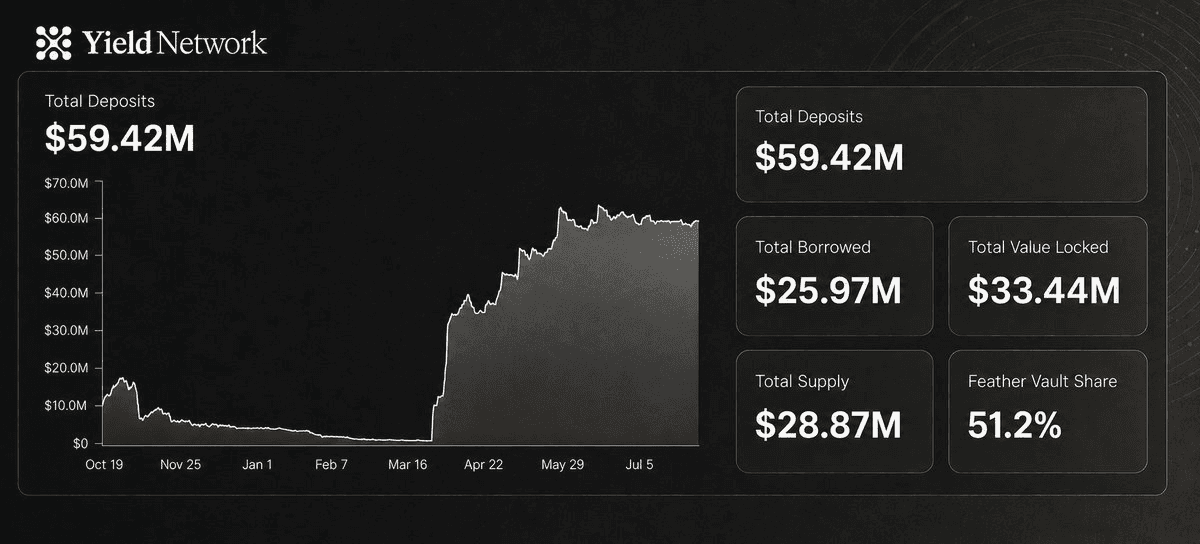
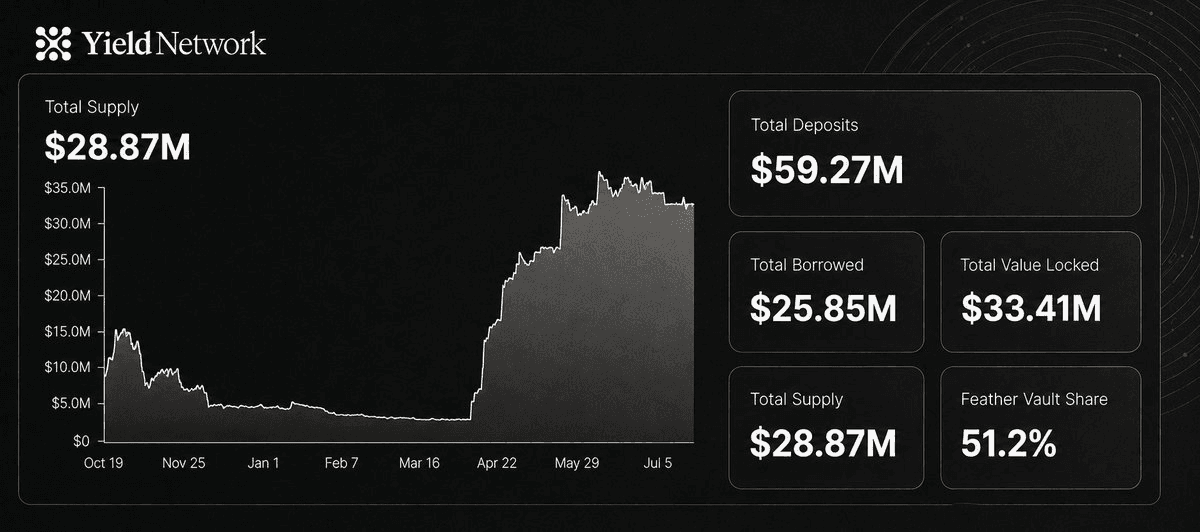
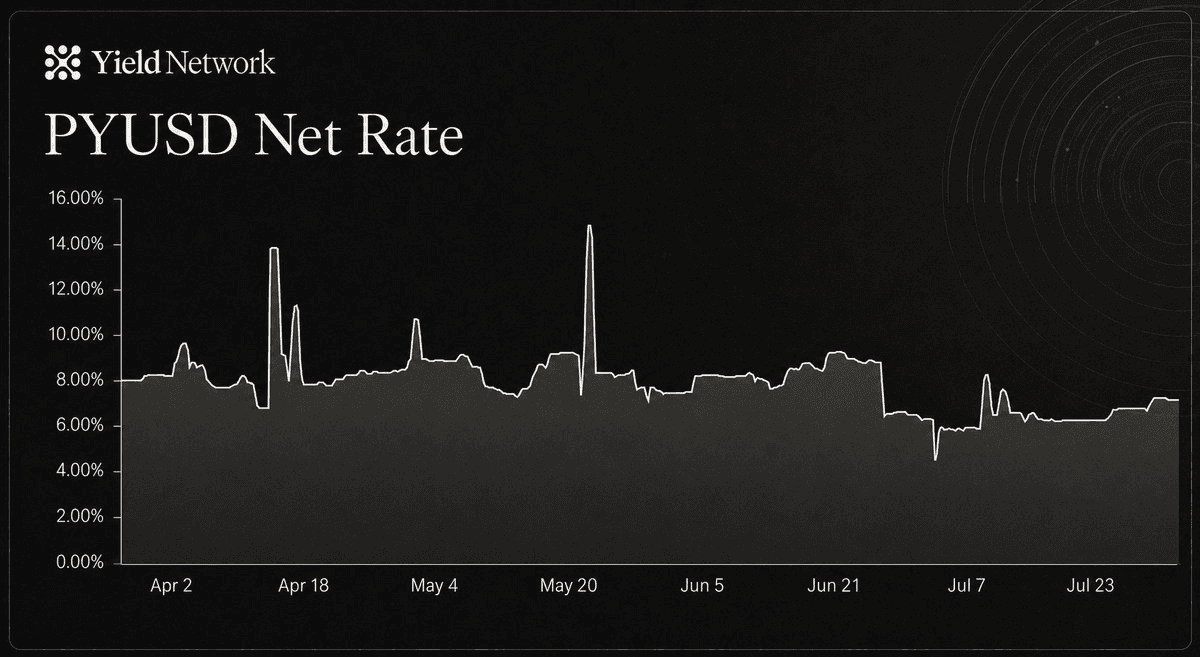
The first PYUSD lending markets on Sei went live on March 31 with zero TVL. After 4 months, the deployment holds ~$58M in total deposits, ~$29M of lend-side supply, and >$25M in active borrows, with lenders earning a net 6–8% since inception. Yield Network designed and ran the launch together with Feather, who built and managed risk for the markets.
Plenty of lending launches hit a bigger first-week number than this program did. Very few are still holding their deposits in month 4, and almost none get there with borrowers using 90% of the lending supply. This piece explains how the program was structured, what we would repeat next time and where execution diverged from the plan — including an unplanned stress test.
Why PYUSD on Sei
PYUSD is PayPal's stablecoin, issued by Paxos. It is available on Sei as PYUSD0 through its omnichain deployment. For a lending program, the asset fits both sides of the market — giving larger suppliers a stablecoin with a large company behind it and borrowers a liquid debt asset. The remaining gap was a lending venue capable of supporting lending at scale. Prior to this program, there was no place on Sei to lend PYUSD with reasonable size, and no market structure for anyone holding yield-bearing collateral to borrow against it.
The lending infrastructure went live in October, with Sei's Morpho deployment through a Feather frontend. Before March, activity was limited to 2 existing markets with combined TVL of a few million dollars at peak. The PYUSD campaign launched with new markets and vaults, with all deposits shown from April onward coming from the new program.
The Cold Start Problem
Lending markets face a coordination problem at launch. Suppliers earn little to no yield until borrowers step in, while borrowers cannot access liquidity until assets have been supplied. Initial capital must be deposited first to create borrowing demand and increase utilization.
The standard industry practice solves only the supply side of the problem. A protocol or foundation puts up an incentive budget, which gets distributed among lenders. Lend-side liquidity shows up within days, and the launch chart looks like a success. However, if there is no borrowing demand, utilization stays low, and the organic supply rate remains unattractive for lenders. Suppliers earn almost entirely from incentives, so the protocol is essentially renting the liquidity. Once the incentive program ends, yield drops back to the organic rate, lenders withdraw, and the TVL accumulated during the campaign disappears with them.
Knowing this, we reversed the usual launch sequence. Borrow demand was confirmed before supply entered the market, then supply naturally scaled up as utilization increased. The rest of the program was designed around that decision.
Collateral Selection Is Borrower Selection
Collateral selection was central to the program design. Most of the major assets were yield-bearing, with wsrUSD and sfrxUSD available at launch and savUSD and syzUSD added as the program expanded. wBTC and wETH were included to support more conventional borrowing demand.
Yield-bearing collateral changes who is willing to borrow. A holder earning 9% on collateral can borrow PYUSD at ~5% and deploy the borrowed capital elsewhere. The position has positive carry before any return from the borrowed PYUSD is generated, giving the holder a reason to borrow while the spread remains positive.
Compare that with the borrower most incentive programs wait for — usually a trader seeking leverage today who may have no reason to borrow next month. Demand from holders of yield-bearing collateral can be identified and arranged in advance with the asset issuers. Speculative borrower demand depends on market conditions and can disappear just as quickly as it arrives.
Choosing collateral this way means the shortlist is really a list of borrower relationships. Each yield-bearing asset added to the market brought its holder base as a potential borrow demand source, and the conversations with the asset issuer teams started during the planning stage.
Retaining Borrow Demand
Those conversations pointed to the same priority: borrowers focused less on the absolute rate than on whether it would remain stable.
A borrower running a carry position at a 7–8 figure size can price a steady borrow rate into their strategy and hold the position for months. What they cannot use is a rate that moves by 5% in a week. That volatility invalidates the strategy and forces the borrower to unwind. Several LPs gave us the same answer — they would scale their borrowing if the rate remained predictable.
This constraint shaped the program design more than the target yield. Morpho markets set borrow rates based on utilization using an adaptive rate model. The borrow rate rises when utilization remains above target and falls when it remains below. If supply grows faster than borrowing, utilization and borrow rates decline. Maintaining a stable rate therefore depends on pacing the supply side with caps in place.
Capping the Supply
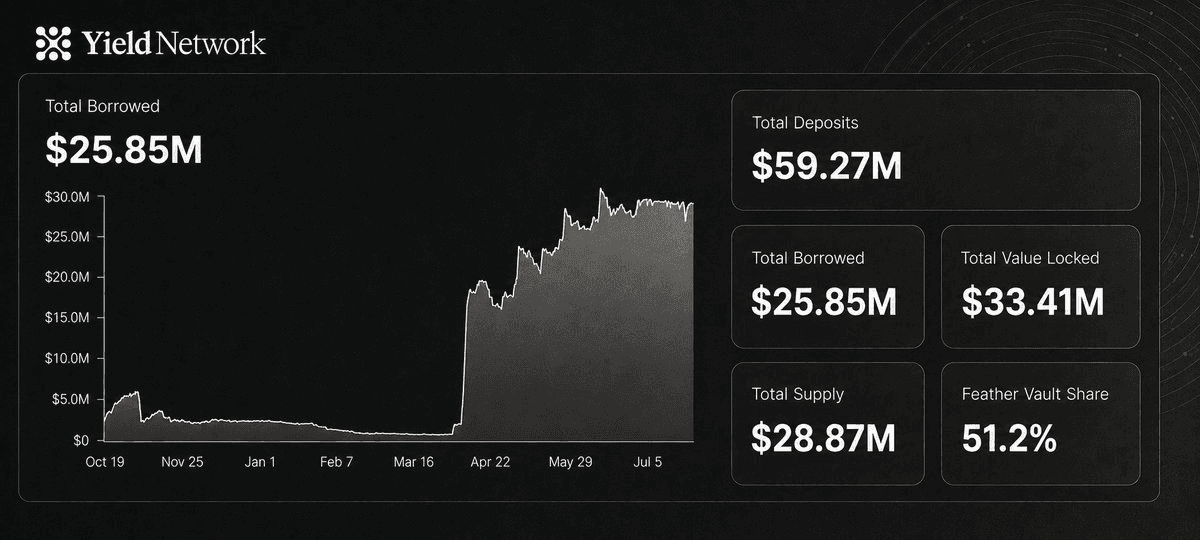
Every Morpho market has a supply cap set by the vault curator. Most launches treat caps as a risk ceiling to be raised as fast as optics allow. This program used them as the throttle. Caps increased alongside borrow demand throughout the program. When utilization rose, caps were raised. When borrowing consolidated, caps stayed unchanged while new deposits remained queued.
Rejecting deposits on week 2 feels wrong when the standard playbook says "celebrate every TVL milestone." It was the single most important operational discipline during the program. High utilization from the first week is what made the organic rate real — which is what makes depositors stay after the incentives end.
The result is visible in the shape of the charts: supply and borrows grew as one curve. As of early August, $25.8M of the $28.9M supplied is borrowed — right around 90% utilization. We think the caps mattered more than the incentive budget did, though the effect of the two is hard to measure separately.
Anchor Capital as a Primitive
PYUSD lend-side supply is deposited to the markets through 2 vaults sitting on the same underlying pools: Feather's own vault, and a vault run by Y10k Capital — Yield Network's asset management arm — with RockawayX as curator. They currently hold ~$14.7M and ~$14.1M in TVL, respectively.
Y10k Capital provided the anchor capital through its vault and gave larger allocators a basis for diligence that a headline APY could not. They first assessed who controlled allocations, the relevant track record, and whether the risk framework was documented. A named professional curator, public allocations, and the vault provider putting capital at stake gave them enough information to evaluate the vault properly.
Because the firm that structured the launch also supplied the anchor capital, allocation authority was assigned to an independent curator. Most larger allocators completed this review before supplying capital, and several said the named curator was what brought them into the conversation.
Not Relying on Incentives
There is an incentive budget, deployed through weekly Merkl distributions, and we'll be straight about the fact that it did real work in April. Initially it was nearly all of the yield, as it is in every new market.
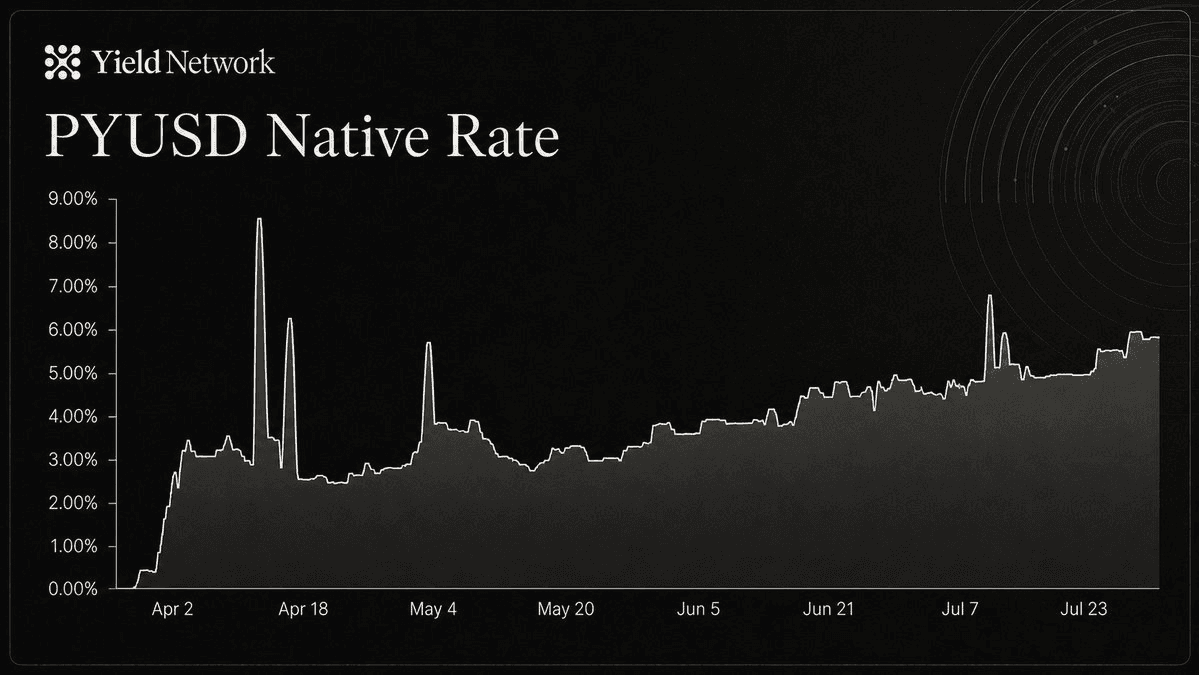
The design goal was for it to shrink in the data — and it has. The Y10k vault today shows ~5.3% organic APY and ~2.3% from incentives. The actual lending rate carries ~70% of gross yield, and the split has been moving in one direction since April. Lenders' net rate held in a 6–8% range across the full campaign duration while the collateral set kept getting improved.
That composition — the incentive share of yield — is, in our view, the one distinctive factor that separates an organic, durable lending book from an unsustainable one. TVL shows how much capital entered the market. The incentive share of yield shows how much of that capital depends on the program budget.
What Didn't Go to Plan
The program faced its first stress test on April 18, 2.5 weeks after launch, when the KelpDAO bridge exploit triggered DeFi withdrawals across the industry. The Sei markets had no exposure to the affected asset, but ~1/3 of vault deposits was withdrawn within 48 hours.
The withdrawals raised utilization and pushed borrow rates into the teens. Higher rates compensated remaining suppliers and attracted capital back. No market was frozen or gated, and rates and deposits normalized within days.
Borrower concentration was the main weakness. For the first 6 weeks, one large strategy accounted for most of the demand, leaving organic yield dependent on a single position until June. Supply caps also kept some capital waiting in April and May, and some of it went elsewhere. We accepted both costs to preserve rate stability and would make the same decision again.
The Risk Stack
Feather uses standard Morpho architecture, which was the main reason large allocators deposited. Each collateral and debt asset pair operates in an isolated market with its own parameters, limiting risk exposure to that market. The April stress event showed how this worked in practice — contagion reached the program through withdrawals, while market isolation prevented risk from spreading between the Sei markets.
LLTVs were set by asset type at 86% for blue-chip collateral and 91.5% for stablecoin pairs, with all parameters visible onchain. Feather and RockawayX agreed on oracle requirements before launch, and collateral that did not meet them was excluded. Vault allocations, caps, and market parameters are public, allowing new depositors to verify the program directly.
What We'd Repeat
-
Align borrower demand before the market goes live. This part of a market is much harder to acquire, but it is what keeps the program sustainable. Supply follows real yield and leaves when it disappears, so incentivizing it before organic demand steps in only rents TVL. Every structural choice in the program followed from that sequence.
-
Use caps to pace supply and accept the cost. High utilization from the first week kept the organic rate high enough to matter, while stable borrow rates allowed borrow demand to scale. That required the patience to leave deposits queued even when accepting them would have increased the TVL.
-
Watch the incentive share of yield. If organic rates aren't carrying a growing share of the total 3 months after launch, the book is unsustainable and depositors will leave once the incentives end. This program's organic yield share scaled to 70% in 4 months — which is far more important than temporary TVL metrics.
-
An anchor vault with a trustworthy curator is worth more than the headline APY. The largest tickets conducted research on the curator, the vault allocations, and the risk framework before depositing. Serious capital requires serious disclosures.
This article is for informational purposes only and does not constitute investment advice, an offer, or a solicitation. Yield Network products are not available to US persons, UK consumers, or anyone in a restricted jurisdiction. Past performance does not indicate future results. APY figures are historical snapshots and may change with market conditions, utilization, and incentives. Vault products involve smart contract, liquidity, oracle, collateral, and market risk.